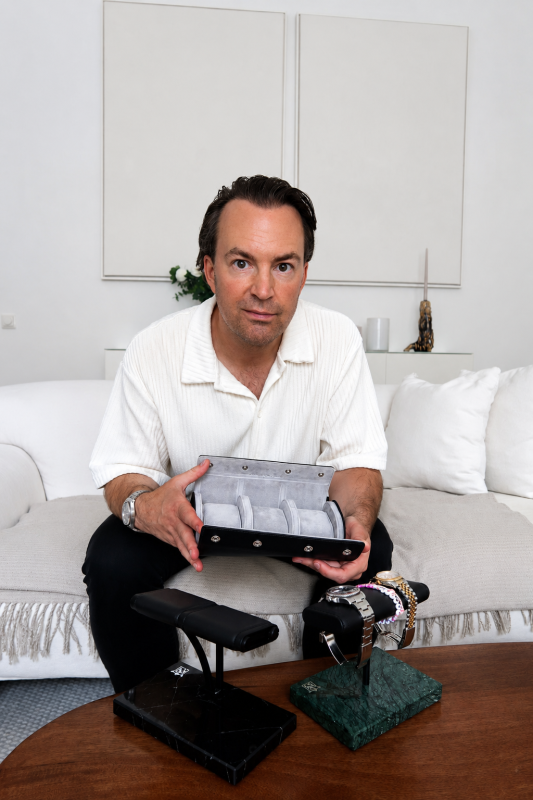
Founded in 2019, Micromilspec emerged from a vision to create highly personal watches that reflect the identity, history, and experiences of military and service organizations. Henrik Rye explains how his transition from corporate finance to entrepreneurship led to a business built around customization, meaningful storytelling, and functional design. Through close collaboration with professional users, the brand develops timepieces inspired by real operational environments rather than simply drawing on military aesthetics.
Michiel Holthinrichs’ passion for architecture began in childhood, inspired by historic castles, ruins, and the relationship between built structures and nature. His architectural studies later led him to explore mechanical watches, eventually transforming a personal collecting hobby into an independent watchmaking venture. Founded on the principle of “Architecture on the Wrist,” Holthinrichs Watches combines sculptural design, material exploration, intricate craftsmanship, and unconventional manufacturing techniques, including 3D metal printing. In this interview, Michiel reflects on the challenges of entrepreneurship, the importance of artistic integrity, the development of the Ornament Nouveau, and plans to establish separate Signature and Haute Horlogerie directions. He also shares his belief that the pursuit of beauty can positively influence human experiences and inspire continuous innovation.
Betina Menescal shares how her architectural studies and fascination with her father’s vintage watch collection inspired the creation of Möels&Co. Founded in 2020, the brand focuses on original, design-led mechanical watches that combine unconventional geometry, carefully balanced proportions, and ergonomic construction. She reflects on the challenges of launching a brand without an established reputation, the importance of authentic storytelling, and plans to expand the collections through new materials, refined construction, and a more accessible entry-level line.
Andrea Maggi reflects on his lifelong connection to Squale and the responsibility of preserving its identity while keeping the brand relevant to contemporary collectors. He discusses the enduring design of the 1521, the historical inspiration behind the SUB-37 Legend, and Squale’s commitment to remaining focused on dive watches. He also highlights ongoing exploration of titanium, helium release valves, dial legibility and new movements, alongside plans to reinterpret important models from the brand’s archive.
Matt Herd shares how his background in product design and development across consumer and medical industries shaped his approach to watchmaking. At Beaucroft, he focuses on balancing aesthetics, engineering, comfort and user experience, with a design philosophy centered on purposeful simplicity and timeless proportions. He also discusses the influence of Cambridge, the development of Beaucroft’s signature curved case profiles, the Arc collection and future explorations in materials, dial finishes and artistic collaborations.
Karim Faisali reflects on the founding of Beaucroft Watches and the vision he shares with co-founder Matt: creating thoughtfully designed British watches with honest value, lasting appeal and attention to detail. He discusses the challenges of building credibility as an independent brand, the importance of authentic storytelling and collector relationships, and how British assembly is opening new opportunities for product development and collaboration within the UK watch industry.
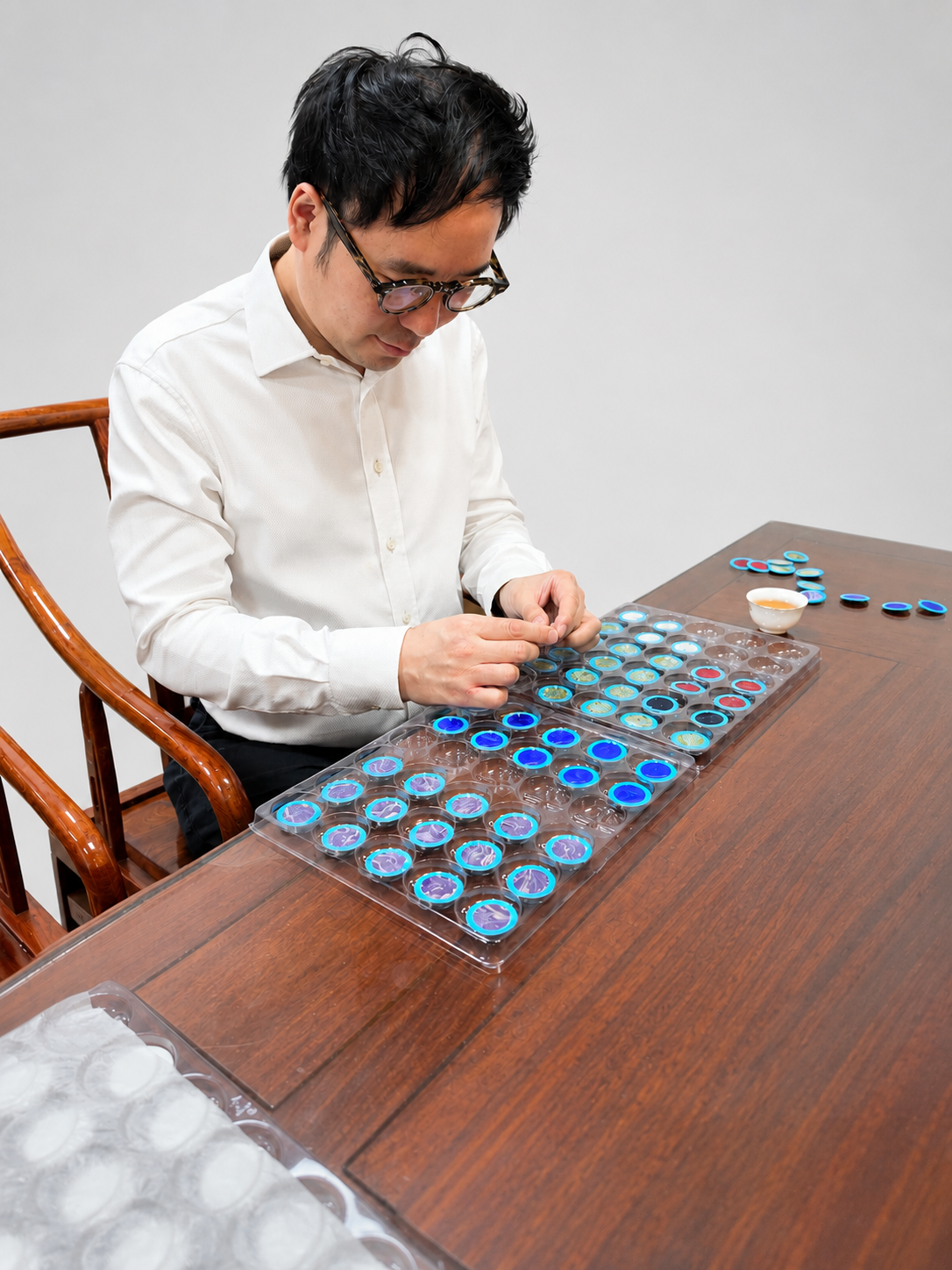
Andrew Cheung shares how his background in physics and education inspired him to create PHYSIR WATCH as a new form of STEM-driven creativity, combining science, design, craftsmanship and entrepreneurship. The brand’s signature Single-Surface Dual-Stone Construction brings together contrasting natural stones in a continuous dial surface, supported by Grade 5 titanium, sapphire crystals and a Swiss SW200 automatic movement. Cheung also discusses the challenges of working with natural stone, the decision to launch through Kickstarter and his ambition to establish PHYSIR as a respected Hong Kong independent brand.
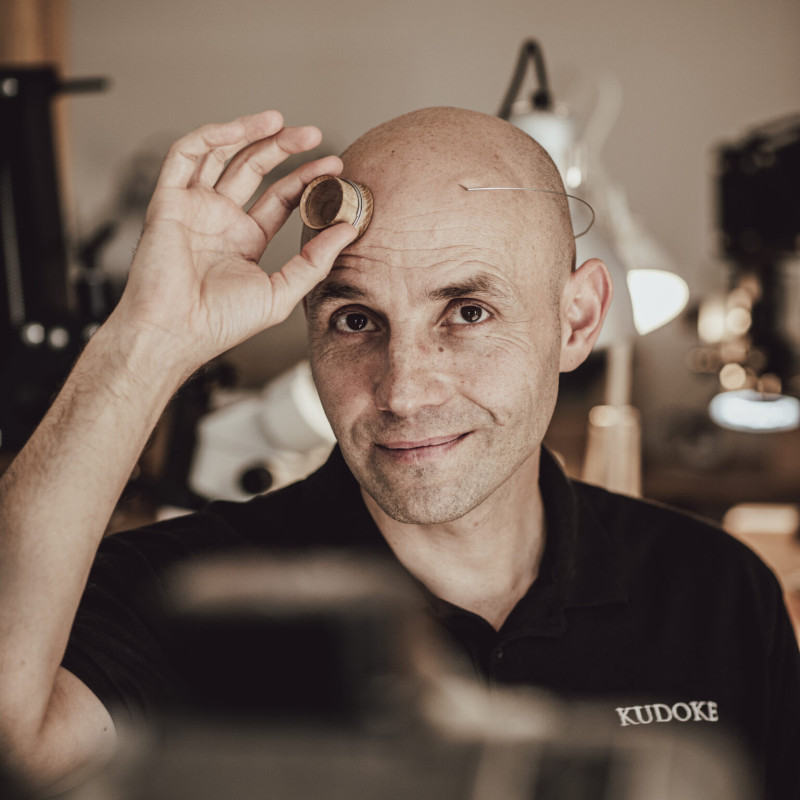
Ev Kudoke reflects on her role in building KUDOKE alongside Master Watchmaker Stefan Kudoke, overseeing strategy, finance, sales, marketing, logistics and global collector relations while Stefan focuses on watch design and craftsmanship. She discusses balancing international demand with limited production, the growing importance of authentic storytelling, changing collector expectations and KUDOKE’s selective approach to international expansion.
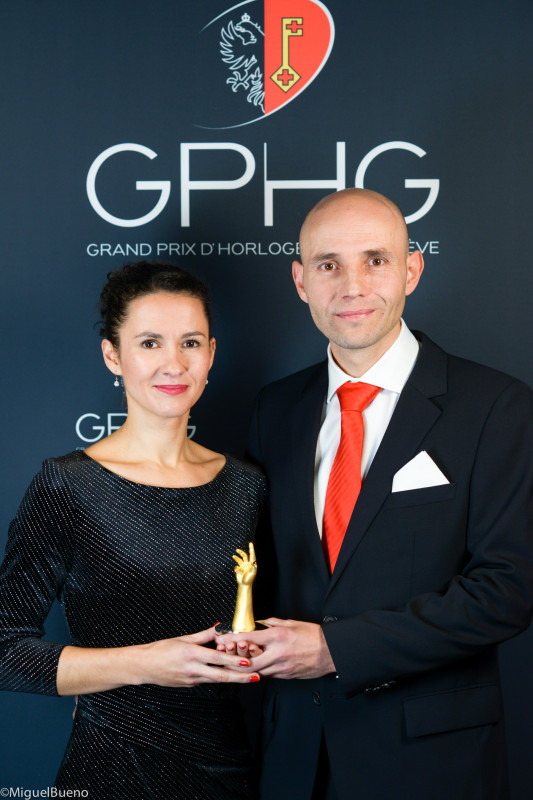
Stefan Kudoke reflects on the experiences that shaped his approach to independent watchmaking, from his work with renowned Swiss and German manufactures to establishing KUDOKE in 2004. He discusses the importance of hand engraving and traditional finishing, the development of KUDOKE’s distinctive movement architecture, the evolution of the HANDwerk collection and the significance of winning the GPHG Petite Aiguille Award in 2019. He also shares his perspective on creative freedom, collector relationships and the future of German independent watchmaking.
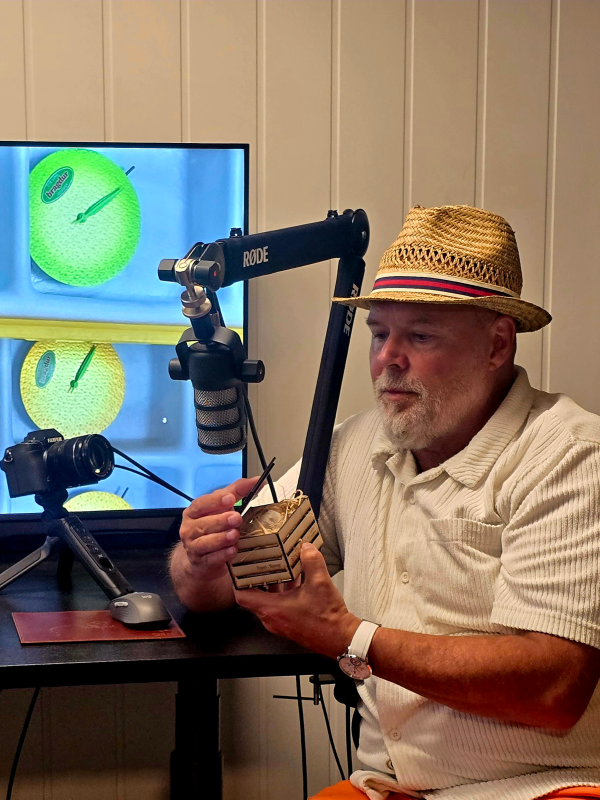
Lars E. Hansen shares the story behind Bragdur Watches, from his early exposure to watchmaking through his brother-in-law’s watchmaking business to the realization of his long-held dream of creating a Norwegian watch brand in 2019. With models such as FROSKEMANN, JERNMANN and Antarktis Poljeger, Bragdur combines Norwegian language, cultural heritage, exploration history and rugged aesthetics. Hansen also explains the brand’s direct-to-consumer model, collaborations, and decision to prioritize limited production over continuous growth.
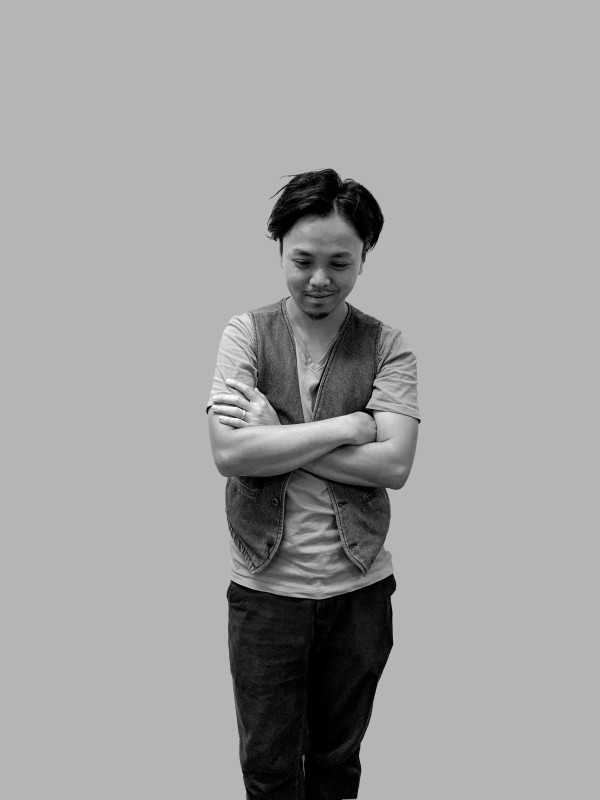
Jiro Katayama shares how a fascination with lathes led him from product design into watchmaking and eventually to the founding of ŌTSUKA LŌTEC in 2012. Inspired by Tokyo, vintage machinery and mid-20th-century industrial design, Katayama creates highly unconventional watches that combine mechanical engineering with distinctive visual concepts. He also discusses the challenges of small-scale production, creative independence, the future of Japanese watchmaking and why mechanical watches will continue to convey the warmth of human craftsmanship.
Mike France reflects on the opportunity he identified in 2004 to make Swiss-made mechanical watches more accessible through direct-to-consumer e-commerce. He discusses Christopher Ward’s emphasis on transparency, its growing collector community, the combination of British creative direction with Swiss technical expertise, and the role of enthusiast feedback in shaping products. He also looks at the significance of the in-house SH21 movement, the impact of the C1 Bel Canto’s GPHG recognition, and the company’s continuing investment in technical and creative development.
Torsti Laine reflects on the experiences that shaped Laine Watches, from his studies at the Finnish School of Watchmaking and training with Kari Voutilainen and A. Lange & Söhne to establishing his own atelier in 2016. He explains his fascination with guilloché, the balance between analytical thinking and traditional craftsmanship, and why exceptional watchmaking extends beyond specifications to the quality of execution—even on components rarely seen by the owner.
Yu Ando shares how his experience as a visual artist and web journalist led him to establish AndoAndoAndo Watches as an alternative to the conventional designs dominating the microbrand market. From the practical A-1 and A-2 Auto to the nostalgic Vinyl Record Automatic and upcoming Spaceship Watch, Ando explores watches as wearable art while incorporating Japanese craftsmanship, including traditional Urushi lacquer.
Ryan LeClair reflects on how a life-changing journey through Japan inspired him to turn his decades-long passion for watches into Makoto Watch Company. Drawing on his experience as a collector of more than 200 watches, he discusses the meaning behind the name Makoto, Japanese influences across collections, hands-on involvement in every stage of development and the brand’s plans for new models and its first quartz timepiece.
Stephan Obst shares how VDB Watches grew from a personal passion into an independent German watch brand founded in 2008. He discusses the inspiration behind its rugged military and diving aesthetics, hand-finished production in Erfurt, use of materials such as bronze, Damascus steel and tantalum, and the philosophy of creating durable watches designed to age alongside their owners.
Riccardo Ugolini shares how he taught himself design and CAD before setting up a CNC machine at home and developing his first carbon-fibre watch. He explains his “invisible on the wrist” philosophy, preference for lightweight materials, emotion-driven design process and the industrial character that defines Ugolini Meccanica. He also discusses building trust as an independent brand and plans for new materials and limited series.
Roland Baptiste shares how growing up as the son of an engraver and studying at the Liège Armoury School shaped his approach to craftsmanship. After more than two decades working on fine hunting weapons, he brought the techniques of Belgian engraving into watchmaking, creating highly personalized timepieces where hand engraving is central to the design rather than simply decorative.
JP Ribeiro reflects on how his fascination with his father’s watches evolved into a passion for watchmaking and eventually the creation of Noctua Watch Corp. Founded in Alberta, Canada, the brand emphasizes individual hand assembly, Swiss Sellita movements and handcrafted dials, while its owl-inspired identity and tool-watch design language prioritize legibility, durability and understated character.
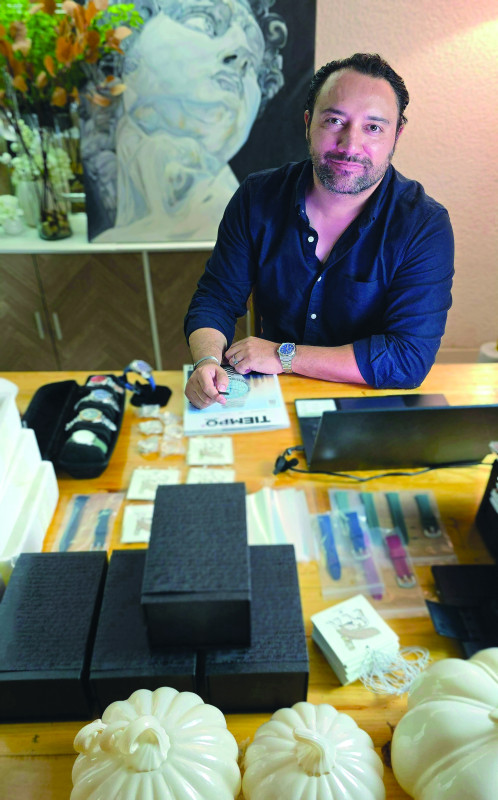
Juvy Cabeltis shares how a shared passion for watches and travel shaped Mirage Luxury Travel and its identity as a lifestyle-focused watch accessory brand. She discusses material selection, evolving collector expectations, customer-driven innovation, the growing demand for premium travel and storage solutions, and the importance of protecting both the financial and emotional value of timepieces.
Ralph Almond Cabeltis shares how his own experience of traveling with a watch collection inspired Mirage Luxury Travel. He discusses the challenges of developing products that combine protection, functionality and value, the role of e-commerce and influencer partnerships in global growth, and the company’s plans for new products, including a limited premium watch winder collection in 2026.
John Glinister shares how his background in furniture design and project management led him to establish Ember Watch Company. He discusses the brand’s three-dimensional design language, the creative process behind the Rocket collection, the importance of colour and texture, lessons from crowdfunding and his ambition to explore alternative materials, movements and manufacturing techniques in future watches.
Jens Åman shares the story behind The Watch Stand, from its creation in 2018 as a solution for displaying watches to the development of Wristonomy as its premium sister brand. He discusses the challenges of protecting the original designs from copycats, the importance of community-driven development, evolving consumer expectations, sustainability and the brands’ international growth across more than 100 countries.
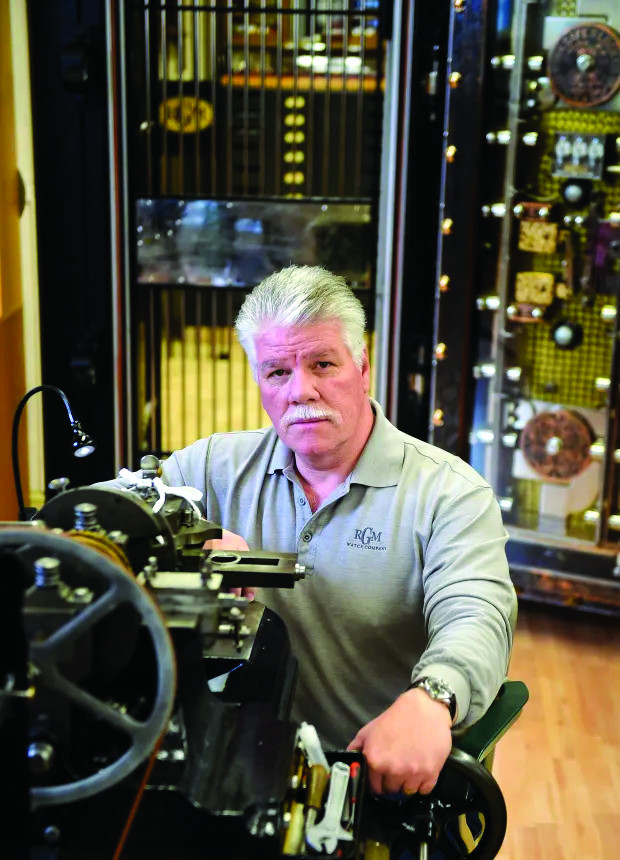
Roland G. Murphy shares how an early fascination with grandfather clocks led him to formal training at Bowman Technical School and WOSTEP before founding RGM in 1992. He discusses the brand’s pursuit of in-house movements, dials and cases, its philosophy of genuine watchmaking, the balance between modern technology and handcraftsmanship, and his hopes for the future of American horology.
Christian Champion shares the story behind Ocean Crawler and its mission to create rugged mechanical dive watches that combine vintage-inspired adventure with modern engineering. He discusses the brand’s emphasis on authenticity, innovative materials, professional-grade specifications, rigorous testing and its close relationship with collectors worldwide.
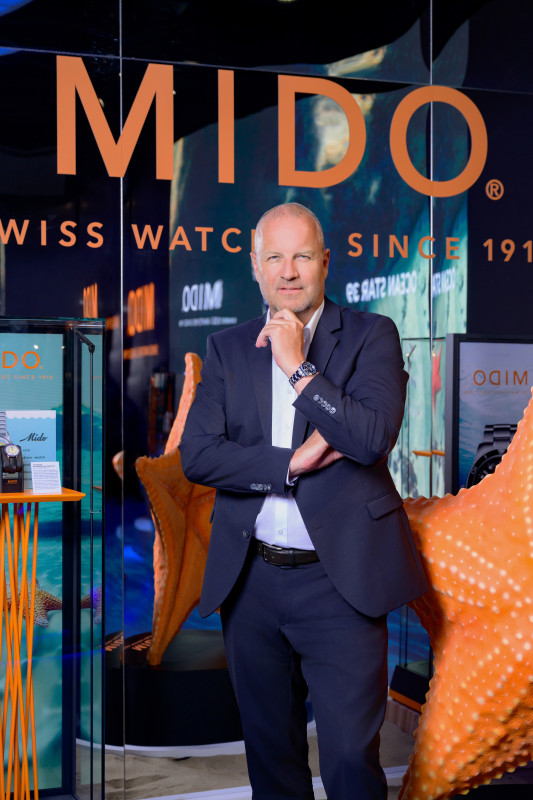
Franz Linder reflects on how MIDO has remained true to its core values of reliability, technical expertise and timeless design since 1918. He discusses the brand’s approach to advanced automatic movements, long power reserves, contemporary interpretations of heritage designs, changing consumer expectations and the growing importance of sustainability and longevity in Swiss watchmaking.
Peter Kožár shares the story behind Biatec Watches, founded in 2016 with a vision of combining Slovak cultural heritage with contemporary mechanical watchmaking. From its self-funded beginnings and pre-order model to its growing international presence, Kožár explains the importance of craftsmanship, authenticity, technical precision and meaningful storytelling in the brand’s collections.
Ricky Lam shares the journey of OVD Watches since its founding in 2016, from the challenges of building credibility as an independent brand to the global success of Project Full Moon. He explores OVD’s approach to combining creative concepts with engineering precision, the use of Japanese automatic movements, strict production standards and upcoming collections inspired by Ronin and the moon.
Ignacio T. Justiniani shares how a childhood fascination sparked by a James Bond film evolved into a lifelong exploration of horology and ultimately the creation of Justiniani Watches. Drawing on his academic background in writing, teaching and history, he creates timepieces inspired by mythology, historical narratives and humanity’s shared cultural legacy. From the Odysseus prototype to the Gilgamesh, the brand combines mechanical watchmaking with scholarly authenticity and storytelling.
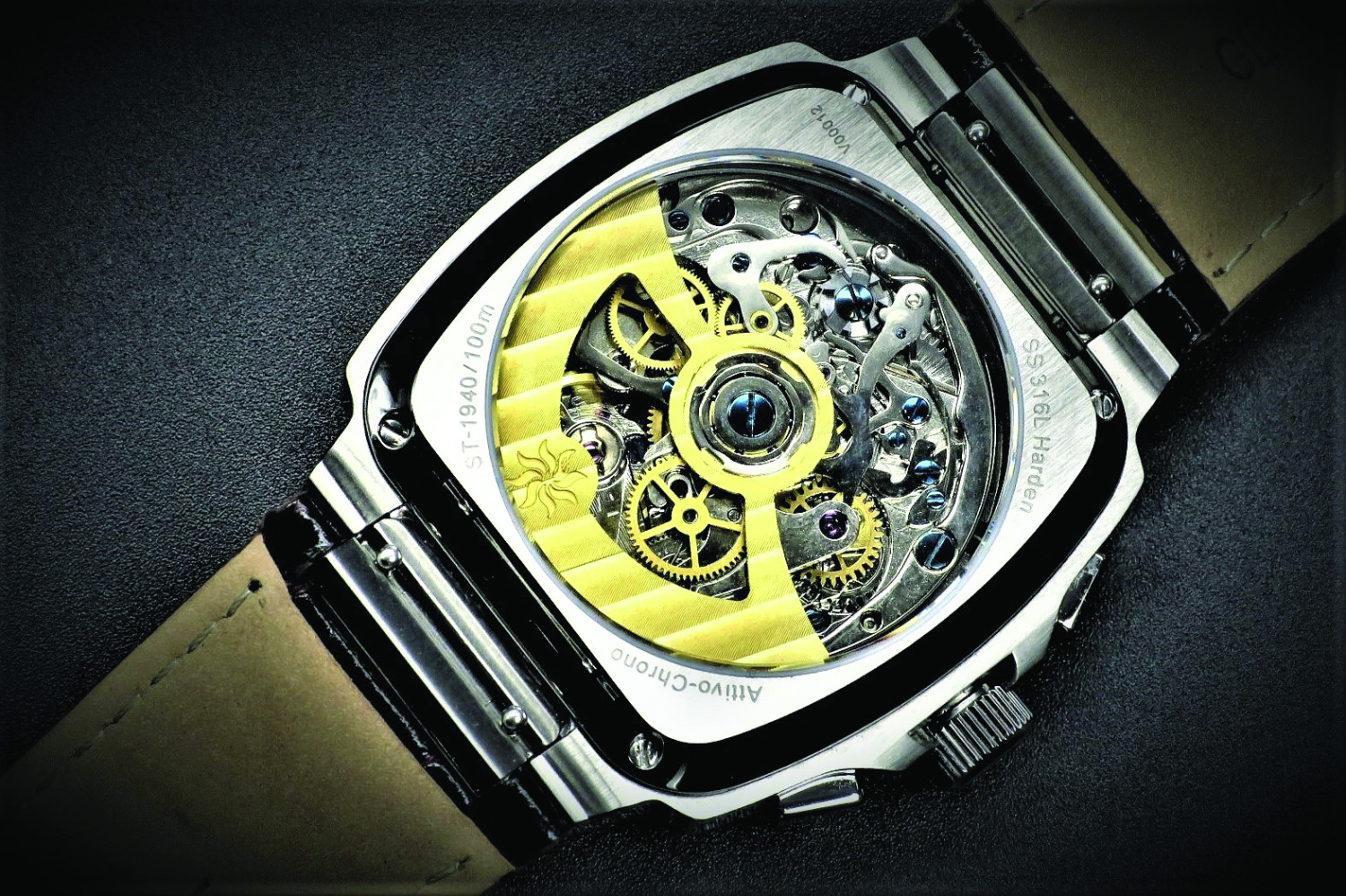
Y K Wong reflects on his journey from more than three decades in the upstream Oil & Gas sector to founding VESUVIATE Watches. He discusses the inspiration behind the brand, its Mount Vesuvius symbolism, the Attivo and Volare collections, engineering-focused design philosophy, and the use of thermochemical surface treatment to enhance scratch resistance and durability.
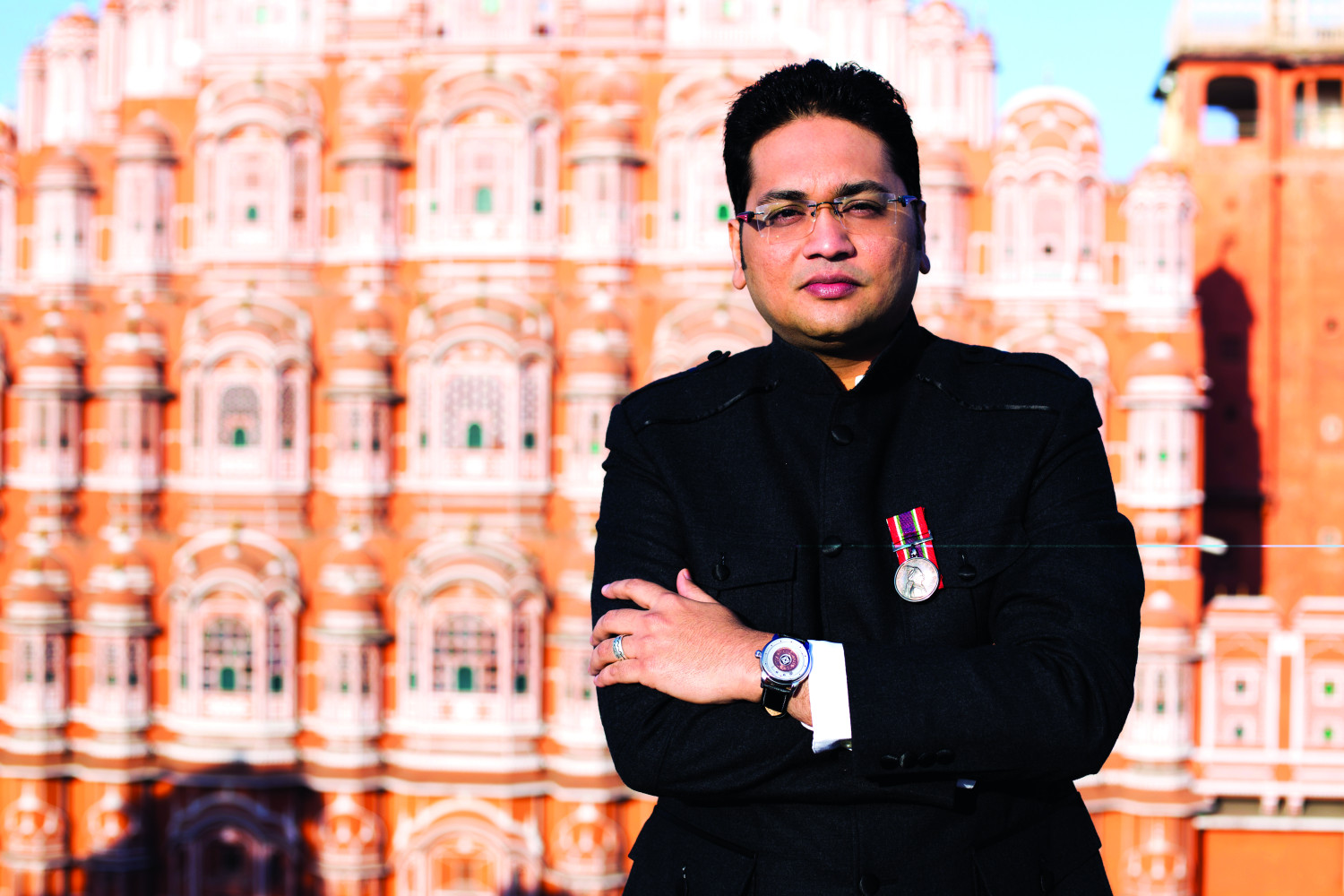
Gaurav Mehta shares the story behind Jaipur Watch Company and its distinctive approach to combining historical Indian coins, traditional craftsmanship and mechanical watchmaking. From a first watch made with a British Indian coin to bespoke creations for prominent personalities, Mehta explains how heritage, storytelling and craftsmanship continue to shape the brand.
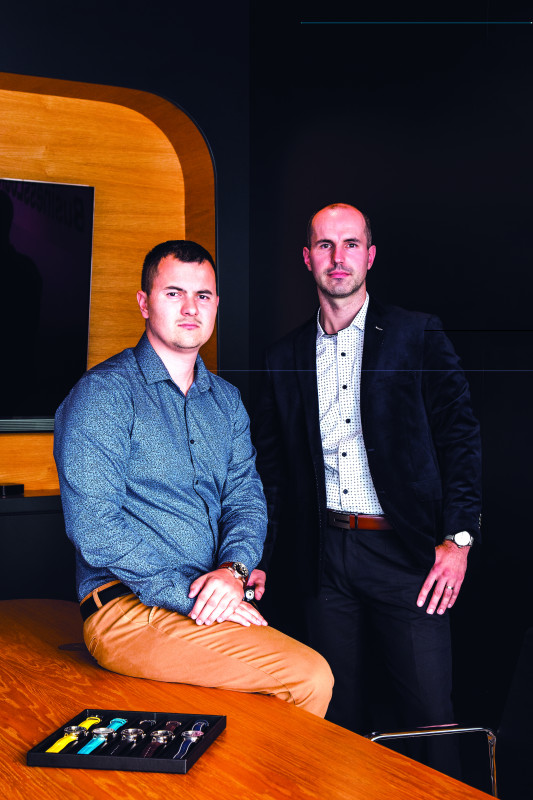
With more than two decades of experience in the watch industry, Henry Kwong and Austin set out to create MONBREY as a platform for unrestricted creative expression. Kwong shares the thinking behind the MB1, the Japanese-inspired MB2 Kenkyū, the latest TRINOVA MB3, and the design and technical principles shaping the brand’s future.
From an early passion for creating and collecting watches to launching the Seaplane Automatic with Andy Paetzold and Zach Switalski, Adam Farrand Hodge has built Farr + Swit around distinctive design, practical functionality and personal connection. He discusses the brand’s American-made approach, nostalgic influences, charitable work, growing international presence and plans for new collections.
Inspired by a family Omega Constellation and a lifelong interest in mechanical systems, Nick Harris transformed a passion for watch repair and Seiko modifications into Orion Watches. He shares his journey into professional watchmaking, the philosophy behind Orion’s ergonomic designs, the challenges facing independent brands and his vision for the future.
From watching aircraft near his childhood home to pursuing aviation and creating his own watch brand, Brian Aure’s journey shaped BYOP Watches around independence, purpose and precision. He discusses the aviation-inspired design of BYOP timepieces, the challenges of building an independent brand and his commitment to inspiring the next generation through the BYOP Flight Club.
Founded in 2020, Timeless Watch grew from Maël Oberkampf’s lifelong passion for industrial design and his desire to create accessible watches inspired by early 20th-century industrial aesthetics. Oberkampf shares the challenges of developing the brand independently, the importance of distinctive design and his ambitions for new models and complications.
Cornelius Huber reflects on CiRCULA’s journey from its founding in 1955 to its modern identity as an independent German watch brand, highlighting its Pforzheim roots, locally assembled mechanical watches, functional design philosophy, community-driven development and commitment to long-term sustainability.
Guillaume Laidet, CEO of Vulcain, reflects on the brand’s journey from its founding in 1858 to its modern revival, highlighting the importance of mechanical innovation, artisanal craftsmanship, Swiss manufacturing and heritage-led development.
Antoine Preziuso reflects on his journey through restoration, the philosophy behind his independent watchmaking, the creation of the Tourbillon of Tourbillons, and the role of family in carrying his horological legacy forward.
Alexander Shorokhoff discusses his journey from Russia to Germany and the philosophy behind his “Art on the Wrist” approach, combining artistic expression, traditional craftsmanship, German precision and innovative watchmaking.
Northern Watches founder Stian Lofstad presents a Swiss-made brand inspired by nature, vintage design, and a new approach to reading time.Stian Lofstad introduces Northern Watches as an independent brand built around 24-hour dials, natural stone, sculptural twisted lugs, and Swiss craftsmanship.
Grandeur USA CEO Belal Shaher discusses bold innovation, accessible high complications, and his vision for American watchmaking.Belal Shaher reveals how Grandeur Watches is challenging traditional luxury watchmaking through world-first innovations, in-house complications, advanced materials, and disruptive pricing.
Glashütte Original CEO Roland von Keith discusses the brand’s 180-year heritage, German craftsmanship, in-house production, innovation, and plans for global growth.
Pequignet Managing Director Patric Zingg discusses the brand’s French heritage, in-house manufacturing, global expansion, and mission to revive French haute horlogerie.
Pequignet President Hugues Souparis shares his vision for strengthening French watchmaking through in-house craftsmanship, local production, innovation, and selective international growth.
The next generation faces a difficult challenge: we live in a fast-paced world where everything is instantaneous. But horology requires time, patience, care, and dedication. They must understand that certain things simply take time, and that this time is essential. True savoir-faire lies in the process of making—not rushing. This is at the heart of creating fine watches.
All our watches are produced in Switzerland and India, especially Ethos, is well advanced with well equipped service centres and trained staff. Besides the Tourbillon which was just launched, the base calibers which we are using from La Joux-Perret are well-known movements. There will be no compromise in quality and service, just like many other reputable brands are operating in India since years.