
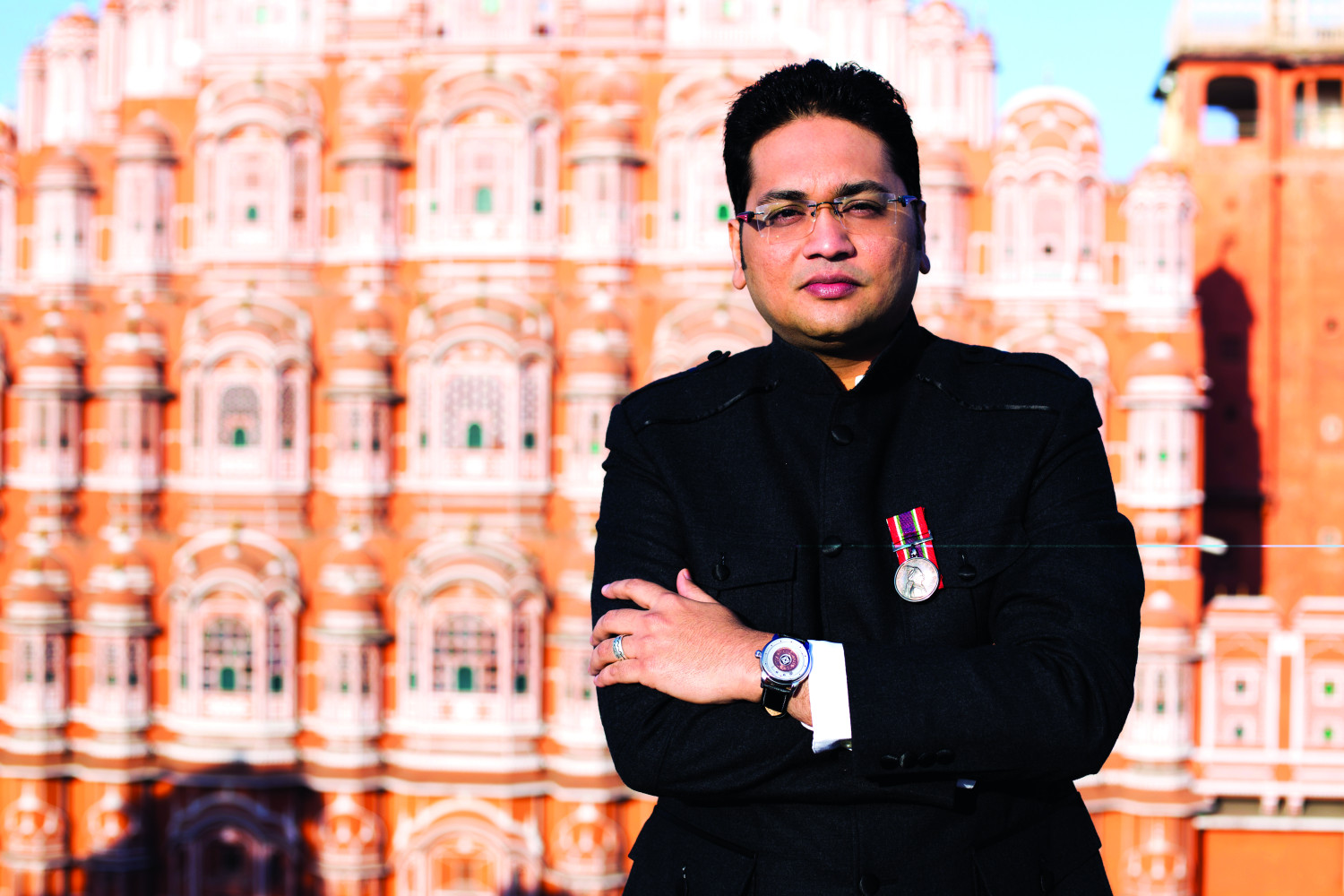
Gaurav Mehta
Founder and CEO
Jaipur Watch Company
You’ve
often said your vision was to create “watches that tell stories.” What was the
very first story you wanted to tell when you founded Jaipur Watch Company?
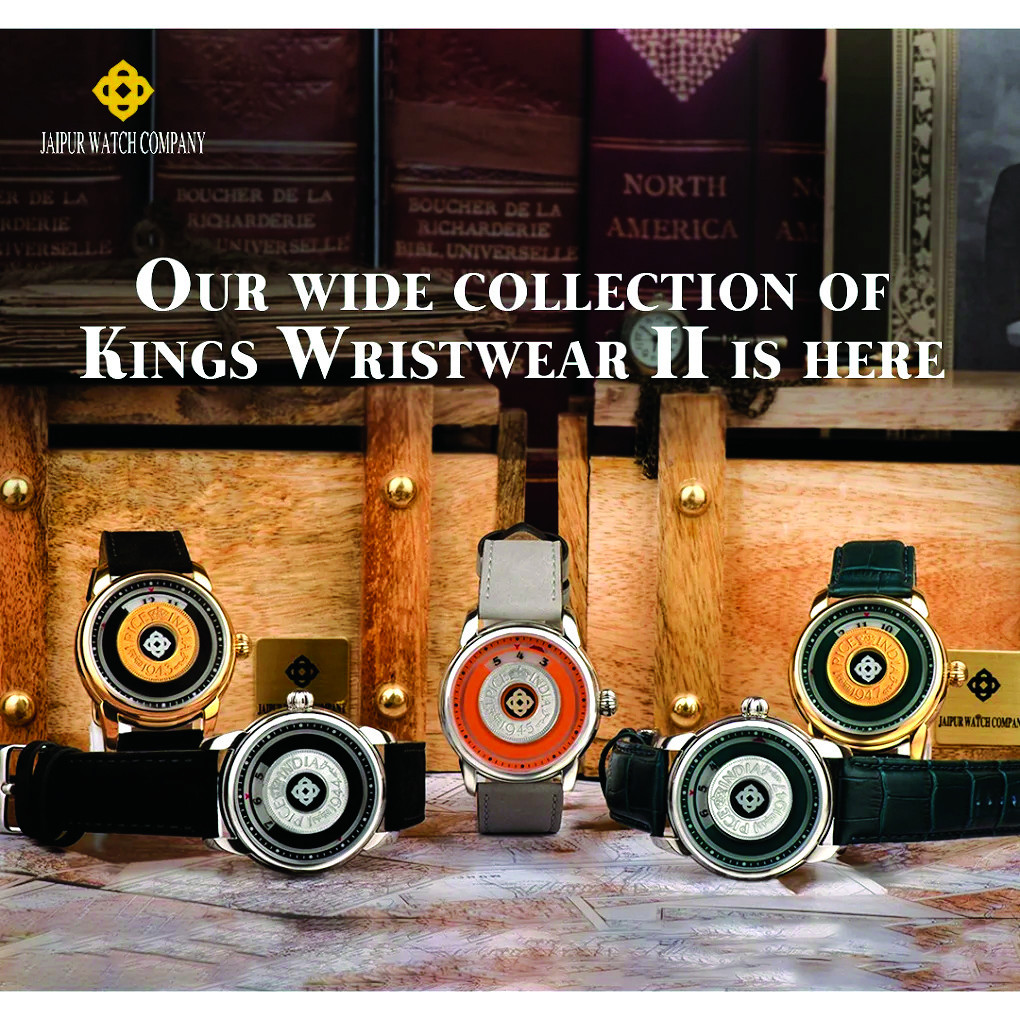
The very first story I wanted to tell with Jaipur Watch Company was deeply rooted in India’s rich heritage. Since childhood, I was fascinated by history, especially the tales conveyed through ancient coins and artifacts. When I fashioned my first watch using a British Indian coin, that was my way of narrating the story of India’s past—its royal legacy and cultural ethos—through horology. My vision was to create watches that were not mere timekeepers but storytellers, each piece an heirloom that captures a moment in Indian history, blending craftsmanship with narrative in every tick.
How
did your passion for coin collecting evolve into a business idea — and what
gave you the confidence that it could become India’s first bespoke watch brand?
My passion for coin collecting gradually evolved from a hobby into a business idea as I realized the immense cultural value embedded in these artifacts. It was an intuitive process — merging coins with watches was a moment of creative experimentation that turned out to be strikingly unique. What gave me confidence was the response from early enthusiasts who appreciated the fusion of numismatics with luxury watchmaking. It felt like creating India’s first bespoke watch brand that honored history, craftsmanship, and personal storytelling, a niche no one else was addressing.
Do
you remember the exact moment you decided to transform your hobby into a
full-fledged brand?
The exact moment that transformed my hobby into Jaipur Watch Company was when I glued a vintage British Indian coin onto a watch dial. That simple act of combining two passions—collecting coins and watches—sparked something extraordinary in me. It was no longer about personal fascination but about creating something bigger, a brand that could encapsulate India’s heritage uniquely. From then on, I knew this was no longer a pastime but a mission to build India’s first bespoke luxury watch brand.
How
did your time studying in the UK shape your perspective on entrepreneurship and
luxury branding?
My time studying MBA in Risk Management at Nottingham University Business School helped broaden my worldview and refine my understanding of global luxury markets. Being in the UK exposed me to brands that build value not merely through products, but through heritage, emotional storytelling, and consistent customer experience. It also taught me to evaluate decisions strategically — balancing creativity with risk, scalability, and sustainability. This blend of academic insight and exposure to European luxury culture played a key role in shaping how I positioned Jaipur Watch Company as a heritage-driven yet globally relevant luxury brand.
When you started JWC, what were the biggest doubts
or challenges you had to overcome?
When I started Jaipur Watch Company, the biggest doubt was whether an Indian-made luxury watch could be accepted globally, given the dominance of Swiss brands. There were challenges in sourcing quality movements, convincing artisans to collaborate, and educating the market about the value of heritage timepieces. Many questioned whether an Indian brand could compete on craftsmanship and exclusivity. But persistence in upholding quality and storytelling helped overcome skepticism, gradually building a loyal clientele who resonated with our vision.
Jaipur Watch Company beautifully combines “history
and horology.” How do you maintain that balance between storytelling and
technical precision?
The balance between storytelling and technical precision is at the core of Jaipur Watch Company. Our watches incorporate intricate historical elements like antique coins or heritage motifs, but behind that lies rigorous Swiss or Japanese mechanical engineering. We don’t compromise on watchmaking standards because a watch’s soul is its movement. Each piece undergoes meticulous technical checks while preserving the narrative we aim to tell—making sure the watch is as functional as it is culturally rich.
Could you take us through the design journey of one
of your signature collections such as The Royal Baagh or Filigree IV?
The design journey of The Royal Baagh collection began with inspiration from Rajasthan’s royal gardens and architecture, translating intricate floral and geometric patterns into dial art and case engravings. Every detail, from the choice of materials to hand-painted motifs, was carefully conceived to mirror the opulence and heritage of Jaipur’s royalty. The Filigree IV involved collaborating with master filigree artisans, creating delicate metalwork that harmonizes with the movement, resulting in a collection where fine artistry meets horological excellence.
You work closely with traditional Indian artisans
miniature painters, engravers, and metalworkers. How do these collaborations
influence your creations?
Collaborating with miniature painters, engravers, and metalworkers enriches our creativity profoundly. These artisans bring generations of skill and cultural knowledge, allowing our watches to embody authentic Indian artistry. Their craftsmanship transforms each timepiece from a watch into a wearable piece of heritage. These partnerships uphold traditional crafts while integrating them with modern watchmaking, creating something truly unique and sustainable, celebrating India’s artistic legacy on a global luxury canvas.
Many watch enthusiasts consider the movement to be
the soul of a timepiece. How do you approach selecting the right movements for
your watches?
For us, the movement must match the story, craftsmanship, and purpose of each watch. We typically work with high-precision Swiss or Japanese movements, ensuring reliability, durability, and ease of servicing. The choice depends on the complexity of the design — for example, when a piece is heavily artisanal or hand-worked, we select a movement that complements and supports that craftsmanship while maintaining impeccable performance. Ultimately, the movement has to honor both the technical integrity of horology and the heritage narrative that defines every Jaipur Watch Company timepiece.
Jaipur is renowned for its royal heritage and
artistry. How does the city’s culture continue to inspire your creative
process?
Jaipur’s royal heritage and vibrant culture are a continuous source of inspiration. The city’s palaces, crafts, and royal narratives deeply influence our creative process. The colors, patterns, and stories of Jaipur’s bygone era find their way into our designs, whether through coin dials, miniature paintings, or enamel work. We strive to reflect the spirit of Jaipur’s artistry and legacy in every watch, ensuring our collections pay homage to the city’s timeless charm.
Your coin watches have become a true signature of
the brand. Can you share the story behind one particular coin or piece that
holds special meaning for you?
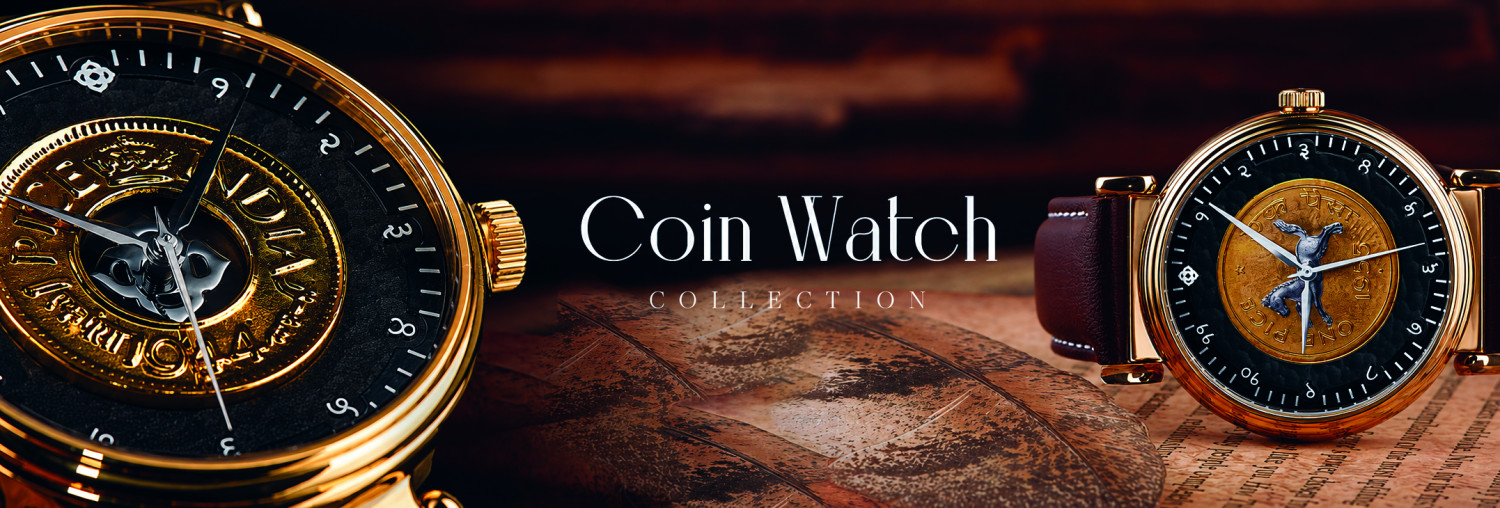
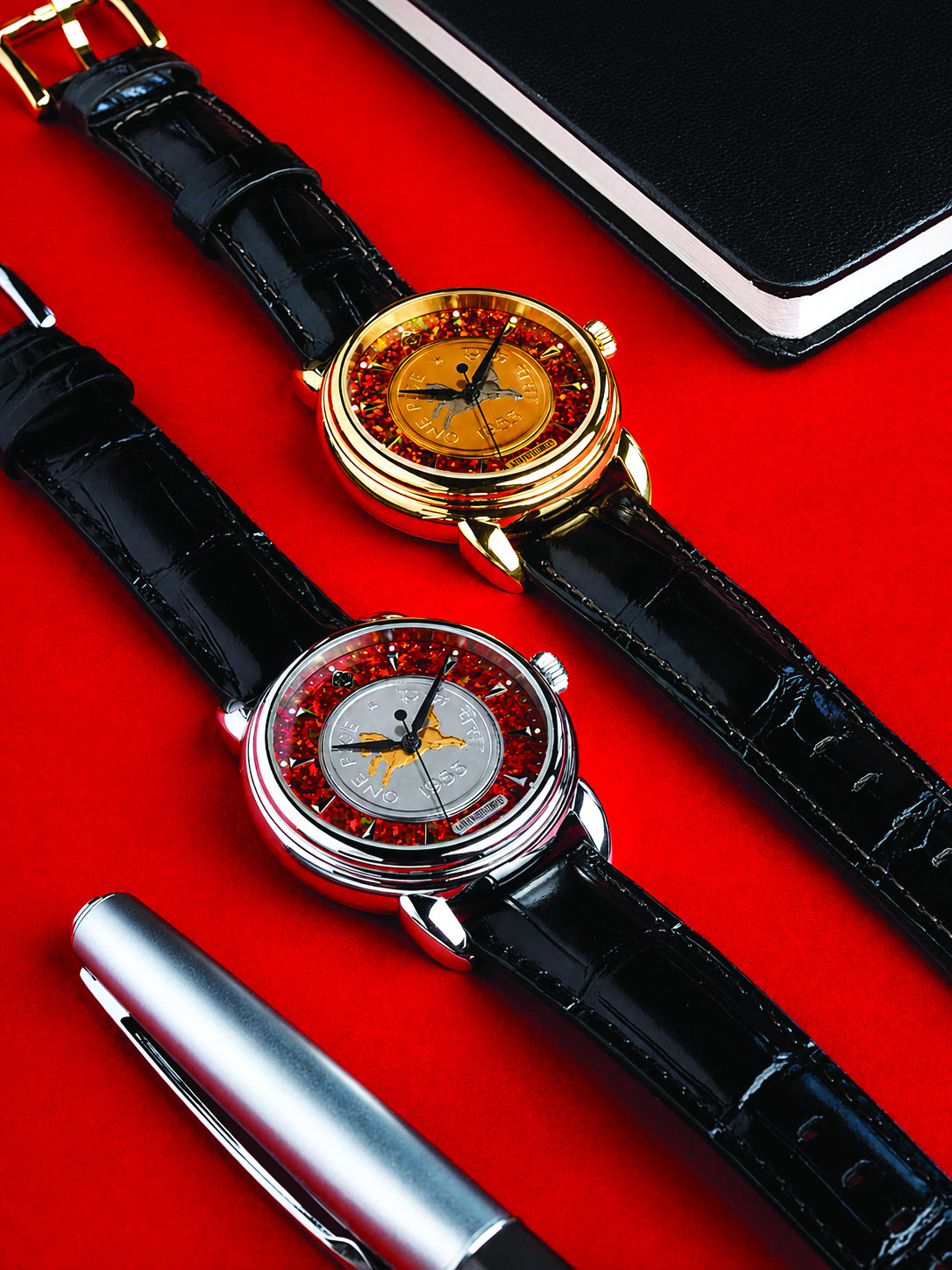
One particularly meaningful coin watch features a rare British India one-pice coin with a hole in its center—unique in numismatics. It was the first coin I used on a watch dial, symbolizing my journey from collector to watchmaker. This coin marks the inception of Jaipur Watch Company and represents the fusion of history and craftsmanship. It reminds me that every piece we create is not just a timekeeper but a memory, a story that connects us to India’s past.
Building a luxury brand in India is no small feat.
What was the toughest hurdle in positioning Jaipur Watch Company as a serious
player in the luxury segment?
Positioning Jaipur Watch Company as a luxury brand in India was challenging due to the prevailing perception that true luxury watches had to be Swiss or foreign. Convincing customers and retailers to trust an Indian brand required proving unmatched craftsmanship and exclusivity. Overcoming a market bias where Indian luxury was underestimated took consistent quality delivery and educating consumers that India can produce world-class luxury products with stories rooted in our heritage.
How
did your appearance on Shark Tank India and other platforms impact the brand’s
visibility and growth?
Although we did not secure investment on Shark Tank India, the brand’s visibility and recognition skyrocketed. The platform introduced Jaipur Watch Company to a wider audience, including collectors and luxury aficionados who had not previously known about Indian bespoke watches. It validated our concept on a national scale, opening new retail and partnership opportunities, and accelerating our growth trajectory by giving us a platform to showcase our craftsmanship and heritage story.
As
a designer and entrepreneur, how do you balance creative freedom with
commercial realities — especially when scaling handcrafted, bespoke products?
Balancing creative freedom with commercial realities is a constant challenge, especially in a handcrafted, bespoke brand. While I prioritize artistic integrity and story-driven design, we also need to consider scalability and client expectations. We achieve this by maintaining close collaboration with clients and limiting production volumes to preserve exclusivity. Commercial success supports sustainability, but it never dilutes the craftsmanship that defines Jaipur Watch Company.
Who
is the typical Jaipur Watch Company customer today — a collector, a first-time
luxury buyer, or a connoisseur of culture and design?
Our typical customer is diverse ranging from sophisticated collectors who appreciate heritage, first-time luxury buyers eager for a unique Indian story, to connoisseurs of culture and design. They seek more than a watch—they want an heirloom connecting them to India’s history. Our clients value craftsmanship, authenticity, and personalized storytelling, making them patrons not just of luxury timepieces but also of the preservation of India’s artistic legacy.
How
do you view the evolution of India’s luxury watch market over the past decade,
and how does it compare to global trends?
India’s luxury watch market has evolved significantly in the past decade, moving from a preference for foreign brands to a growing appreciation for Indian craftsmanship and heritage luxury. Consumers are becoming more discerning, valuing originality and storytelling alongside precision. While still nascent compared to global markets, India is carving its niche by embracing products with strong cultural identities and superior craftsmanship, signaling promising growth and global integration.
As
global collectors increasingly seek originality and heritage, how do you plan
to position JWC on the international stage?
Internationally, Jaipur Watch Company positions itself as a bridge between Indian heritage and global horological excellence. As collectors worldwide seek originality and provenance, we emphasize our unique stories rooted in India’s history combined with Swiss movement precision. Our strategy involves showcasing limited editions, collaborations with artisans, and participation in global watch shows to highlight the brand’s authenticity and craftsmanship on par with established global luxury watchmakers.
Among
all your creations, which timepiece is most meaningful to you and why — perhaps
the one crafted for His Highness Maharaja Gaj Singh or Amitabh Bachchan?
One of the most meaningful pieces to me is the timepiece commissioned for His Highness Maharaja Gaj Singh. It was more than a watch — it carried symbols of his royal lineage and Rajasthan’s cultural legacy. Crafting that piece was an honor because it represented the very essence of why I began Jaipur Watch Company: to preserve and reinterpret India’s history through objects of lasting beauty. It reaffirmed that our work is not just about design or luxury, but about storytelling that bridges generations.
What
has been your proudest moment as a watchmaker so far?
My proudest moment came when a customer shared that he intended to pass down his Jaipur Watch Company timepiece to his son as a family heirloom. That was when I truly understood the emotional impact of what we create. Watches can outlive us — they become a record of personal history. Knowing that something we crafted would be carried forward into the next generation was a deeply fulfilling confirmation of our purpose: to create objects of meaning, legacy, and memory.
Do
you still collect coins, or have watches completely taken over your heart?
I still collect coins because they remain the heart of our storytelling. Watches have taken over as a creative outlet and business, but coins continue to inspire each collection. The historical tales they carry drive innovation and design, so coin collecting and watchmaking coexist as my lifelong passions.
How
do you personally define “luxury”? Is it about craftsmanship, emotion, or
exclusivity?
For me, luxury is a blend of craftsmanship, emotion, and exclusivity. It’s not just about materials or price but the story a product tells and the connection it creates. A true luxury timepiece is an heirloom, crafted with precision, that evokes emotion and reflects personal or cultural identity, making ownership a deeply meaningful experience
Finally,
what message would you share with young designers and entrepreneurs who want to
create something rooted in India yet resonate globally?
My message is to root your creations deeply in your culture while
aiming for global quality standards. Patience, grit, and passion are crucial
for building something authentic and timeless. Embrace your heritage
unapologetically, innovate with respect for tradition, and remember that global
resonance comes not from imitation but from the power of your unique story told
with excellence.