
Before becoming a watchmaker, you worked as an automobile and industrial designer. What inspired your transition into watchmaking?
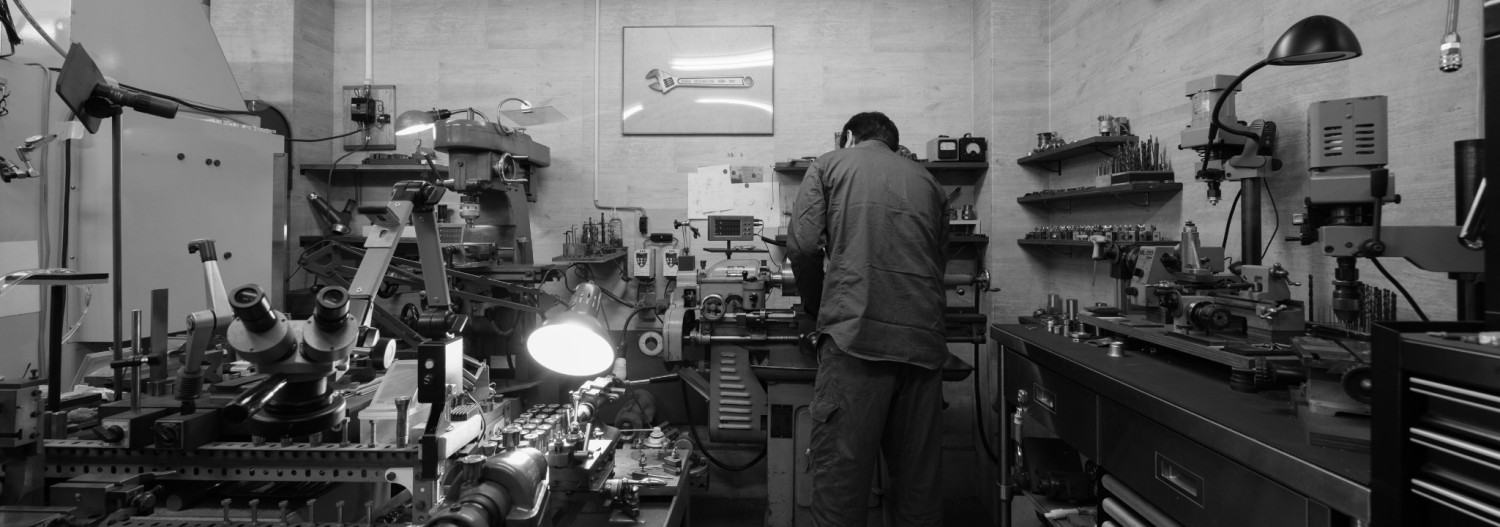
While working as a product designer, I became fascinated by lathes one day and ended up buying a small one through an online auction. I wanted something to practice making, and a wristwatch happened to be the perfect size. As I learned more about watchmaking, I became captivated by the wide variety of time-display mechanisms and designs. Before long, I was completely immersed in the world of watches.
You
are largely self-taught as a watchmaker. What were the biggest challenges in
mastering such a specialized craft?
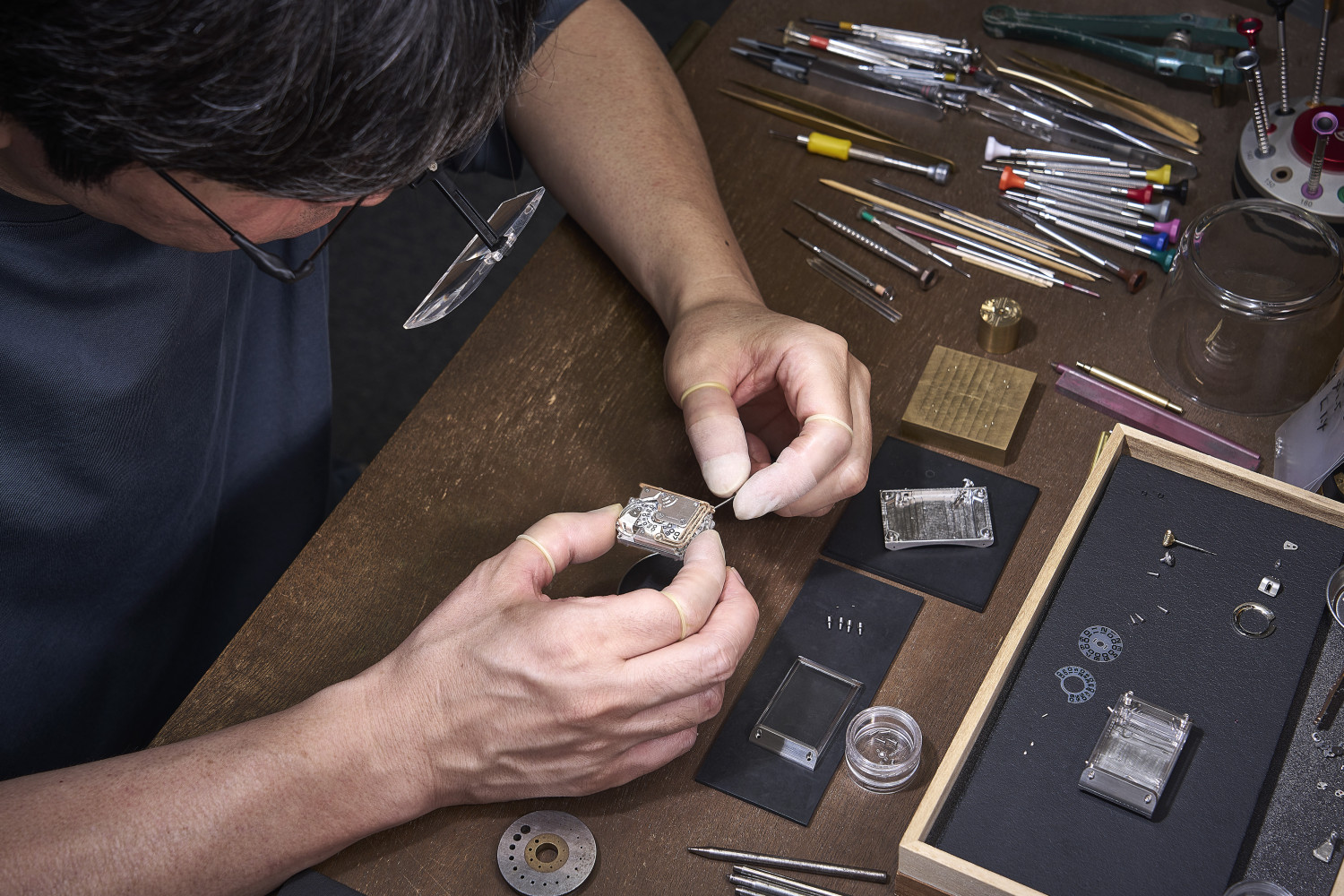
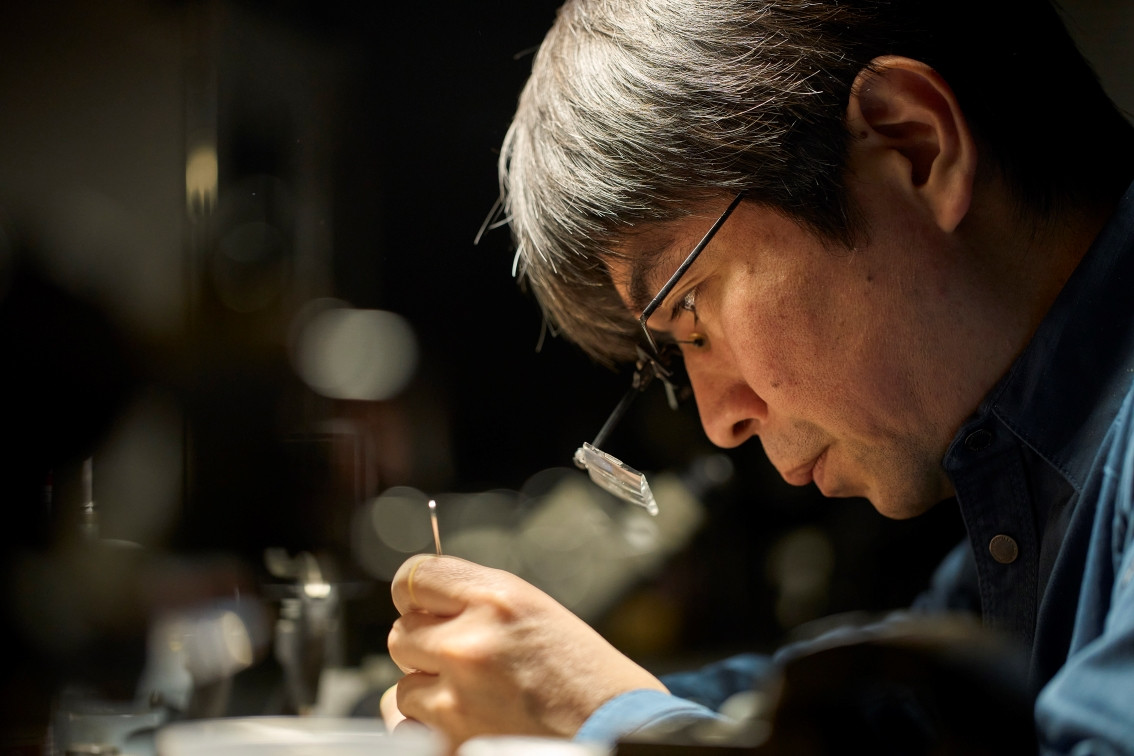
Every day brought something new that I didn't understand—whether it was manufacturing methods, mechanisms, materials, or tools. Whenever I encountered a problem, I researched everything I could online. What challenged me most in the beginning was the incredible precision and tiny scale of the mechanisms and components. Even the slightest error could cause a malfunction, so I built experience through repeated prototyping and trial and error.
What
inspired you to found ŌTSUKA LŌTEC in 2012, and what was your original vision
for the brand?
I continued building prototype watches, and in 2012, I finally sold
the fifth model I had created. ŌTSUKA LŌTEC is inspired by the things I
personally find beautiful and compelling—shaped by my own experiences growing
up in Tokyo. Those personal memories and impressions are the starting point for
my designs and ideas. That's why I named the brand after Ōtsuka, the
neighborhood where my workshop is located.
Your
watches are celebrated for their unconventional time displays. Where do you
find inspiration for these unique concepts?
I often find inspiration in the appearance and details of vintage machinery and industrial equipment. I'm particularly drawn to industrial products from the mid-20th century, when engineers were often responsible for both the engineering and the design. I think that influence naturally finds its way into the design language of ŌTSUKA LŌTEC.
Your
display mechanisms are unlike those of traditional watches. What are the
biggest engineering challenges in bringing these ideas to life?
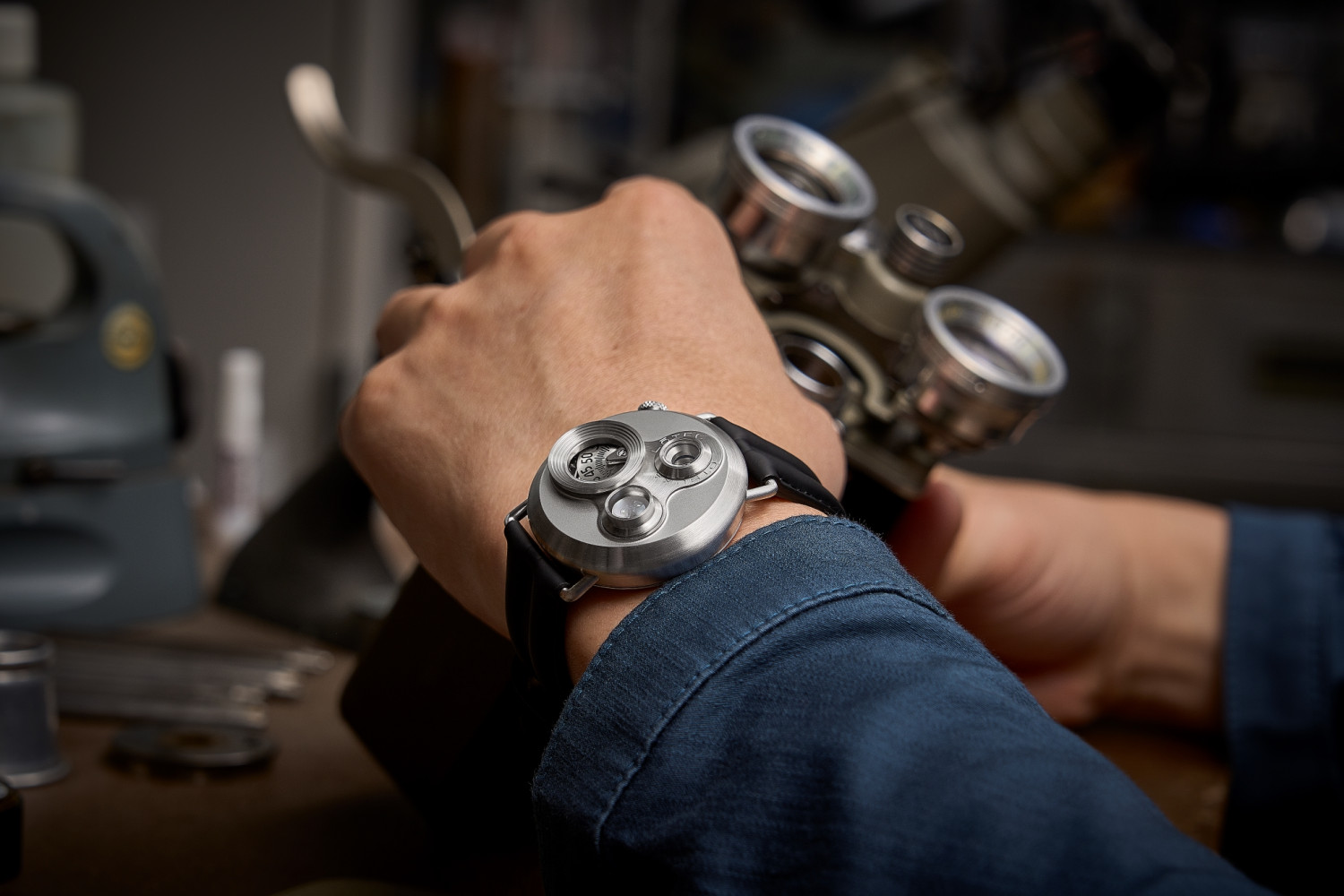
Whenever I develop a new display mechanism, the greatest challenge is fitting all the necessary components inside the case while achieving the design and layout I envision. Balancing rational engineering with harmonious design is never easy. But that's also what makes the creative process so enjoyable.
ŌTSUKA
LŌTEC produces watches in very limited numbers. Why is preserving a
small-scale, handcrafted approach so important to you?
I started making watches in my home workshop and have built the brand one step at a time. I can't suddenly increase production, and I sincerely apologize that I'm not yet able to meet everyone's demand. As I continue improving my production environment, I'm doing everything I can to make as many watches as possible without compromising quality.
Which
part of the manufacturing or assembly process do you find the most rewarding,
and why?
The part I enjoy most is the very beginning of the creative process—going back and forth between rough sketches and CAD drawings while imagining what kind of watch I want to create. That's when I feel the greatest excitement of making something new.
Many
collectors consider your watches mechanical works of art. How do you balance
functionality, engineering, and artistic expression?
I don't consciously think about balancing those elements. To me, a wristwatch is both a practical tool for telling time and an object whose mechanical movement has its own intrinsic beauty. What I want to do is combine those two qualities through compelling ideas and express them in the form of a wristwatch. Engineering is simply the means that allows me to realize that vision.
As
an independent watchmaker, what advantages does creative freedom offer compared
with working for a larger brand?
The greatest advantage is being able to express exactly what I want to create. One of the biggest rewards is being able to complete a watch without compromising my vision.
Japanese
independent watchmaking has gained global recognition in recent years. How do
you see its future evolving?
I believe Japan will continue to produce new generations of talented watchmakers. Recently, I've had many opportunities to work alongside the watchmakers at Tokyo Tokei Seimitsu, and the younger generation is incredibly motivated. I hope they will help shape the future of Japanese watchmaking. I also hope Japan will develop its own unique watchmaking culture—one that is distinct from the long-established traditions centered in Switzerland.
As
technology advances, what role do you believe traditional mechanical
watchmaking will play for future generations?
Just as the automotive world has room for both self-driving cars and
manual transmissions, I believe there will continue to be a place for
mechanical watches alongside the latest technologies. Mechanical watches will
endure because they convey the warmth and humanity of something made by skilled
hands.
Has
feedback from collectors ever influenced the way you design or refine your
watches?
No.
Which
ŌTSUKA LŌTEC model holds the most personal significance for you, and why?
Every model holds a special place for me. Each one represents a different stage of my journey as a watchmaker and embodies the ideas, challenges, and discoveries I experienced during its development. Because I devote myself completely to every model, it's impossible for me to choose just one.
What
exciting projects or innovations can collectors expect from ŌTSUKA LŌTEC in the
coming years?
I plan to keep creating the kinds of watches that I personally want
to make, without losing sight of what inspires me. Rather than chasing trends,
I want to continue developing ideas at my own pace. I hope collectors will
enjoy watching the brand evolve over the long term.